Shelton says this meeting has triggered more urgent conversations than any in the past two years
The Federal Reserve will announce its latest rate decision this afternoon, and most markets believe that the central bank will raise rates by 25 basis points today.
While many people have focused on what that might do to fixed-rate mortgages, there is a more direct tie-in to how it may impact home equity line of credit rates, which are variable and more closely tied to the prime rate.
A borrower who took out a HELOC rather than give up a low primary mortgage rate could see that decision cost more within weeks of a hike, not months.
One broker says a different group of borrowers has far more riding on the outcome than the headlines have suggested.
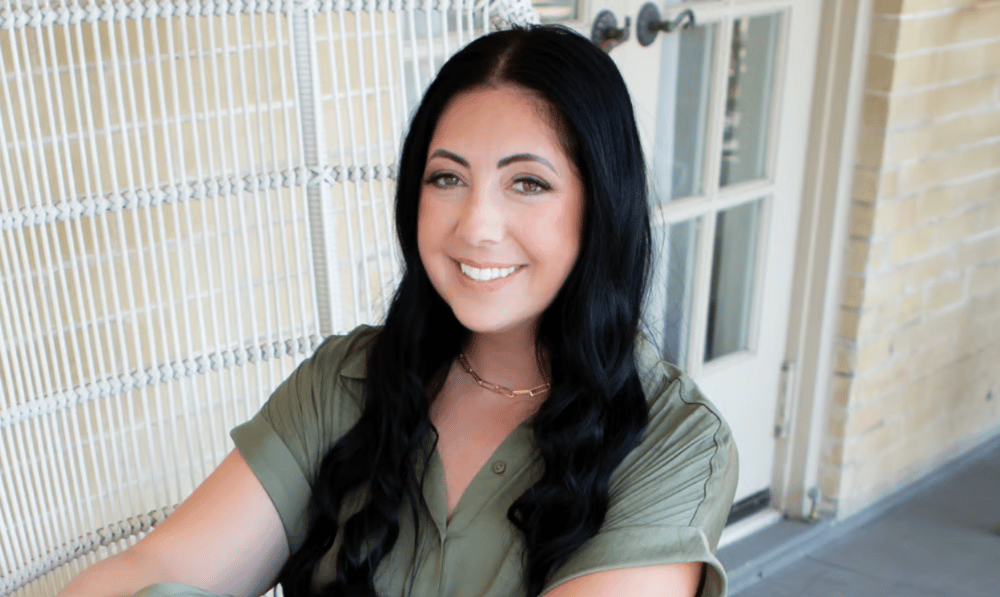
Samantha Shelton (pictured top), mortgage broker and president of Align Lending, said the right move depends entirely on the client.
"Some clients may benefit from locking before the announcement. Others have flexibility to wait," Shelton told Mortgage Professional America ahead of the decision. "There isn't one answer that works for every borrower."
A heightened sense of insecurity
Shelton said the run-up to this particular meeting has produced a noticeably different kind of client conversation than the Fed decisions before it.
"Of all of the meetings that we have been through over the last, I would say, probably two years, I feel like this one specifically, there was a heightened sense of insecurity," she said. "There were a lot more conversations happening with my clients that were shopping for HELOCs. If a HELOC is something you want to do, that is going to be directly impacted."
She said she expected the Fed to move on rates given the data heading into the meeting.
"I do believe that the Fed is going to raise it by a quarter," she said. "Inflation is higher than they want it to be, and the job market has remained strong enough for them to unfortunately make another increase. That quarter I feel like is already expected."
HELOCs have carried an outsized share of the market for a specific reason tied directly to how borrowers feel about their existing mortgage, according to Shelton.
"HELOCs have been a very big key component to mortgage solutions over the last, I would say, 18-ish to 24 months, because people don't want to move off that first rate that they have on their primary residence," she said. "They don't want to give up their 2% or 3% first mortgage. So to access that equity, they're looking for other solutions."
That dynamic, she said, means a Fed hike lands very differently depending on which kind of borrower someone is.
"Consumers that have credit cards, HELOCs, any other debt with adjustable rates could feel this impact more directly with an increase, because those rates do usually follow the Fed much more closely," she said. "The payments or interest costs can increase and put additional pressure on household budgets. For homebuyers, short-term movement in interest rates can affect both their monthly payment and how much home they qualify to purchase."
Watching Warsh’s words
Shelton said the market had already been pricing in a hike well before Wednesday's announcement.
"Interest rates generally move with anticipation of the market," she said. "I feel like the last couple of weeks we've seen that fluctuation pretty drastically, because of the anticipation of this Fed meeting."
She said the specific language Fed chair Kevin Warsh uses in his post-Fed press conference could have more impact on the market than the rate move itself.
"Warsh's tone during the conference is extremely important," she said. "If he says that the Fed can be patient and watch upcoming economic reports before making another move, the markets may take that as a positive sign. If he says inflation remains a serious concern and the Fed is prepared to continue raising rates, we could see more pressure on the bond market and mortgage rates. The words following the decision could have a larger effect on mortgage rates than the actual increase itself."
She is hesitant to predict exactly how the announcement will play out, given how volatile the past several years have been.
"It's like having a crystal ball," she said. "We really have had extreme ups and extreme downs. My overall take is we might see some short-term ups and downs. If rates stay higher for longer, borrowing becomes more expensive and spending may slow down. And if the Fed moves too aggressively, it risks slowing the economy more than they intended."
Stay updated with the freshest mortgage news. Get exclusive interviews, breaking news, and industry events in your inbox, and always be the first to know by subscribing to our FREE daily newsletter.