A senior lien nobody flagged, a foreclosure that wiped the collateral, and a trust left holding the bag

A CMBS trust is suing Starwood Mortgage Capital LLC, alleging it was sold a $46.85 million commercial loan that was never actually secured by a first lien.
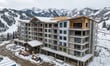
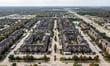
The lawsuit, filed on September 4, 2026, in the Supreme Court of New York, New York County, and since removed to the US District Court for the Southern District of New York, centers on a commercial mortgage loan that Starwood originated in April 2024. Computershare Trust Company, National Association, acting as trustee for the BMO 2024-5C5 Mortgage Trust, alleges that Starwood sold the loan into the trust under a purchase agreement and represented that it held a first-priority deed of trust on two properties in Harris County, Texas - identified in the filing as The Pointe and Oak Shadows.
According to the complaint, that representation was false.
The filing alleges that before Starwood originated the $46,850,000 loan, the same properties were already encumbered by a $27,601,000 deed of trust held by a third-party lender, Thistle Creek Partners, LP - recorded in Harris County's official records. In other words, the lawsuit claims Starwood made a nearly $47 million loan against properties that already carried a senior mortgage of more than $27.6 million.
From there, things allegedly got worse. The complaint alleges Thistle Creek enforced the power of sale in its deed of trust, ran a foreclosure sale under Texas law, and took title to the properties through one or more affiliates. That foreclosure, the filing says, "wiped out" the liens securing the trust's mortgage loan - leaving the trust holding a $46.85 million loan with no property behind it.
The trust alleges the loan documents gave it no rights to block the foreclosure, enter the properties, collect rents, or appoint a receiver to protect its interests.
What the trust wants now is the money.
The lawsuit targets four specific promises - known in the industry as representations and warranties - that Starwood made when it sold the loan. According to the filing, Starwood warranted that the loan documents were enforceable, that they gave the holder adequate tools to realize the security, that the deed of trust was a "legal, valid and enforceable first lien," and that no senior mortgage liens sat on the properties. The complaint alleges all four promises were false when made.
According to the filing, the trust's special servicer, CWCapital Asset Management LLC, reviewed the situation and determined that the breaches amounted to a "Material Defect" under the purchase agreement. The servicer sent Starwood a written repurchase demand on or about May 26, 2026, giving Starwood 90 days to fix the problem, buy back the loan at the contract price, or swap in a qualifying replacement.
The complaint alleges Starwood "failed and refused" to do any of those things.
The trust is pursuing two paths. First, it wants a court order forcing Starwood to buy back the loan or provide a substitute. Second, it seeks damages "in an amount to be proven at trial, but in no event less than the Purchase Price." The suit also seeks attorneys' fees, costs, and interest.
Starwood removed the case to federal court on October 9, 2026. According to the removal notice, Starwood Mortgage Capital LLC is a Delaware limited liability company whose ownership chain runs through several entities to Starwood Property Trust, Inc., a Maryland corporation based in Miami Beach, Florida. Computershare Trust Company has its main office in Massachusetts.
For commercial mortgage originators and anyone in the CMBS chain, the case raises a pointed question: what happens when a loan sold into a securitization turns out to have a senior lien that nobody caught - and that lien gets enforced before anyone notices.
None of the allegations in the lawsuit have been proven or tested, and no court has ruled on the merits of the claims.