A closer look at who the mortgage insurance and loan-rate provisions actually reach
President Donald Trump's housing cost executive order has drawn praise from the mortgage industry, and how soon borrowers benefit will depend on how the agencies carry it out.
Signed Oct. 22, the order directs the Federal Housing Finance Agency (FHFA) to build pilots and consider changes, in two cases only if its director decides they serve the agencies and the public.
Who benefits, and when, depends on the details, since several provisions apply to a defined set of loans, according to one mortgage attorney.
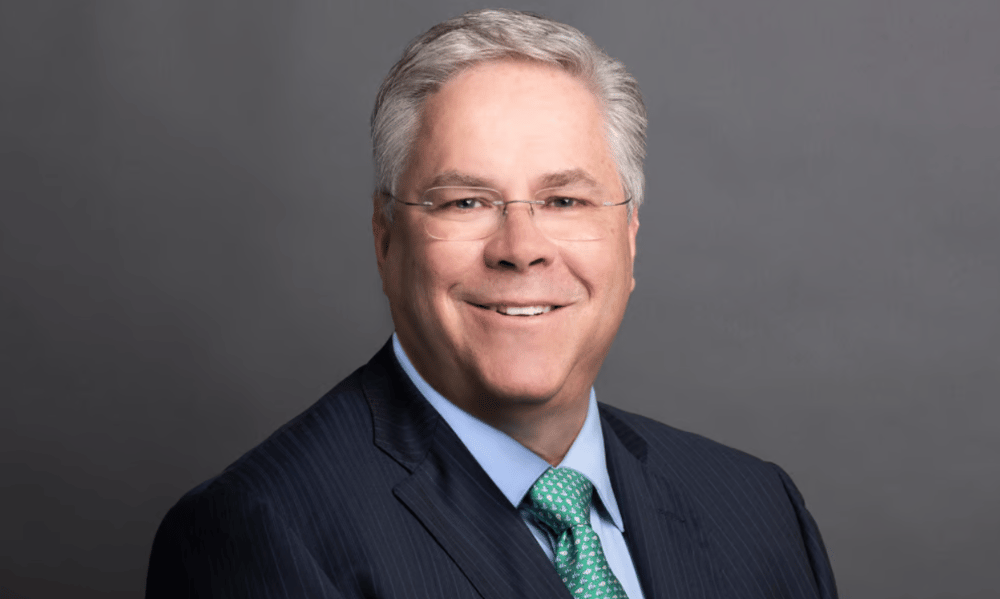
Marty Green (pictured top), principal at Polunsky Beitel Green, said the industry should read the order as a start.
"For folks who were thinking there may be something that happens here that really has an immediate jolt to the industry, I don't think you're going to see that," Green told Mortgage Professional America. "But over time, these things have the ability to make some lasting changes."
Scope and timing
The order calls for lower interest rates, subject to available appropriations, on direct home loans made by the USDA and the VA. Green said the reach is limited.
"I think it's helpful, but it is pretty limited when you really look at it, because when it talks about the Department of Agriculture and the VA, these are just the direct loans that they do," Green said. "It's not the ones that they insure. I think on the VA side, I think the direct lending is less than 1% of what they tend to insure in a given year."
The mortgage insurance pilot has a defined scope too. It covers only newly made loans, which shapes both the audience and the timeline.
"Existing loans that are on the book of business today aren't going to be impacted by this," Green said. "Now, that doesn't mean the borrower can't still proactively seek the cancellation of PMI if it otherwise meets the criteria. But in terms of this particular program, it's only going to apply to mortgages that are made after the pilot program is put into place."
He also relayed a caution from colleagues in the mortgage insurance business. It concerns how new loans will be priced.
"All of mortgage insurance is always based upon what the actuarial table tells you is going to happen in terms of claims," Green said. "And the more that you have these policies come out where they're not going to be collecting premiums on it, that has to be made up somewhere in the process. And so you may see increased amounts of premiums for loans going in knowing that this program is going to be in place.
“But again, it's loans that are closing after the date that this pilot program gets into place, and then they have to be at the equity position in order to trigger it. So it'll have some benefit, but it's further down the line that we're really going to see it, at least the way it's worded."
Savings, and what's missing
Some in the industry had hoped for a broader package, Green said. He still sees the provisions that made it in as helpful.
"I think that people were perhaps hoping for something even more expansive than this, but I think that everything here is positive," he said. "And so when you can get three or four things that are positive, you take them."
One lever he wanted to see was the fees Fannie Mae and Freddie Mac charge. The order tells FHFA to consider cutting them only for limited cash-out refinances that lower a borrower's payment.
"I would like to see them really revisit what they do on the loan-level price adjustments, because I think that's an area where they could have an immediate impact on the market and affordability," Green said. "Those are things that the administration really has the ability to sort of make a lever change that has an immediate impact, but they've chosen not to do that."
Green said the pilots could grow from here. He pointed to the mortgage insurance pilot as one candidate.
"I think these things are good first steps," he said. "They may not be a last step. And so keep lobbying efforts going and keep looking at ways that the government could actually incentivize people to continue on the housing front because it's an important part of our economy."
The Broker Action Coalition (BAC), which applauded the order, also said the benefits aren't available immediately. It estimates that on a potential $500,000 refinance, combined potential savings could total about $2,390: $1,290 in lender's title insurance, $600 for an appraisal and $500 in reduced underwriting fees.
Actual savings depend on a borrower’s eligibility and what FHFA implements. The order was signed less than two weeks before the midterm elections.
"This is a massive win for American homeowners," said Brendan McKay, BAC's chief advocacy officer. "We're talking about reforms that could cut refinancing costs by nearly $2,400 on an illustrative $500,000 loan, as well as a new pilot that would proactively cancel mortgage insurance once appropriate equity thresholds have been met. That's real money. FHFA now has the opportunity to turn this executive order into one of the most significant reductions in mortgage costs in years."
Stay updated with the freshest mortgage news. Get exclusive interviews, breaking news, and industry events in your inbox, and always be the first to know by subscribing to our FREE daily newsletter.