A $2.76M multifamily loan, 15 unfit units, and a mechanic’s lien that triggered full recourse

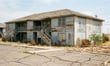
Fannie Mae sues two guarantors over an apartment complex in Big Spring, Texas, alleging the 68-unit property has deteriorated so badly that nearly a quarter of its units are unfit for occupancy.
The lawsuit, filed September 16, 2026, in the US District Court for the Northern District of Texas, names Daniel Woodford and Charles Triska as defendants. Both men personally guaranteed a $2.76 million multifamily loan secured by Coronado Hills Apartments at 801 W. Marcy Dr. in Big Spring.
The borrower on the loan is AZ Wealth Big Spring, LLC, a Texas limited liability company. The original lender was ORIX Real Estate Capital, LLC, doing business as Lument Real Estate Capital, LLC. Fannie Mae holds the note as assignee and says the loan is serviced by the original lender.
According to the filing, the problems trace back at least to July 2025, when a property condition assessment conducted on Fannie Mae's behalf found the complex needed $384,825 in repairs. The deficiencies included unlabeled electric subpanels, damaged roof shingles, asphalt damage, and damaged sheetrock and flooring, the suit says.
The servicer sent a demand letter in September 2025 requiring AZ Wealth Big Spring to fix the problems and deposit $384,825 in additional security within 30 days, the lawsuit says. The borrower did neither.
A year later, the picture had gotten significantly worse. A follow-up assessment in June 2026 found the borrower had completed roughly 4% of the originally required repairs - approximately $16,275 of the $384,825 estimate, according to the filing. The updated repair cost had climbed to $606,700, a 58% increase.
The June 2026 assessment describes a property in steep decline. The filing alleges water leaks in multiple units, suspected mold growth on ceilings, rotting wood siding and trim throughout the exteriors, cracking and deterioration at the pool deck, a cockroach infestation in one unit, expired fire extinguishers, and a wooden pallet covering a manhole near a walkway. Fifteen of the complex's 68 units were either down or vacant and unavailable for occupancy due to habitability concerns, the suit says. The property's fitness center was closed. The assessment concluded the complex was in "unacceptable condition, and is substandard when compared to properties of similar age and construction type," according to the filing.
On top of the maintenance failures, Fannie Mae alleges the borrower failed to pay a roofing repair vendor, resulting in the filing of a mechanic's lien against the property for $489,813.16 in August 2022. The borrower never had the lien removed or bonded off within the 60-day window required by the loan documents after receiving notice of the lien, the suit claims.
That lien is the hinge of Fannie Mae's case. Under the loan agreement, an unpaid contractor's lien counts as an unauthorized transfer of the property. When that happens, the loan flips from non-recourse to full recourse - meaning the borrower owes the entire outstanding balance, not just the amount tied to the specific default. Because Woodford and Triska personally guaranteed the borrower's obligations under the relevant section of the loan agreement, Fannie Mae alleges the full-recourse trigger passes through to them.
Separately, the filing claims the property deterioration amounts to waste under the loan agreement, which triggers a narrower form of personal liability - the guarantors owe whatever loss or damage Fannie Mae can show resulted from the waste.
Fannie Mae accelerated the loan in November 2025 and is now seeking actual damages, prejudgment and post-judgment interest, attorneys' fees, and court costs. The suit brings a single count: breach of contract under the guaranty.
For multifamily lenders and guarantors, the case is a pointed reminder that a mechanic's lien left unresolved can flip a non-recourse loan to full recourse - and that the guarantor, not just the borrower, picks up the tab.
The claims in the lawsuit are allegations, and no court has made any determination on the merits.