Industry weighs in on the central bank’s September announcement
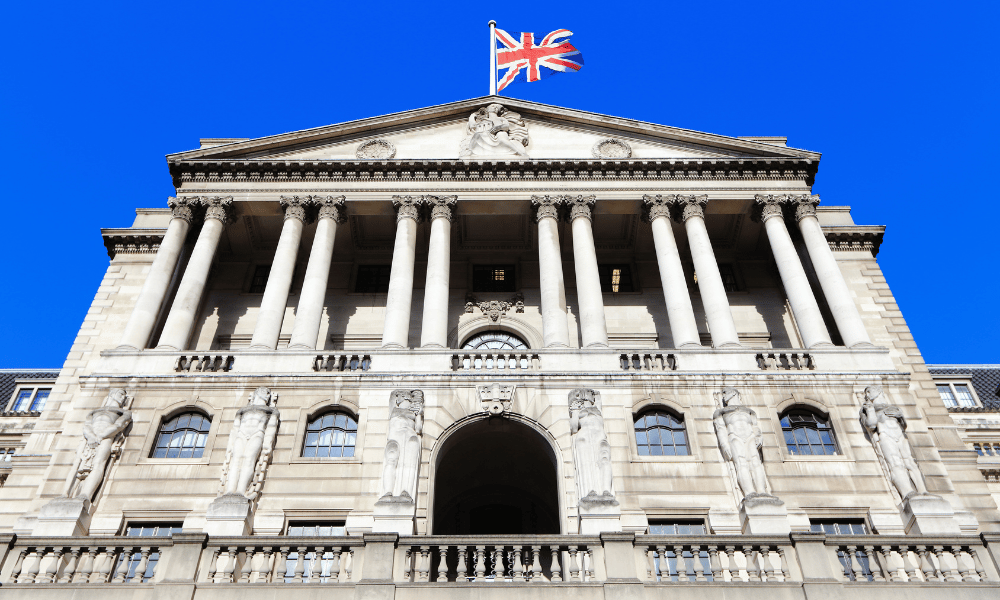
The Bank of England is keeping rates on hold yet again, leaving its base rate unchanged at 3.75% – but financial market expectations of rate hikes down the line could put further pressure on mortgage shoppers in the coming months.
The central bank’s decisions don’t directly move mortgage rates, but they can have a big impact on their direction.
Lenders price their products against the Sterling Overnight Index Average (SONIA) and gilt yields, both of which react to rate decisions and the forward guidance that accompanies them.
Despite today’s decision, SPF Private Clients chief executive Mark Harris doesn’t expect the rate hold to last for long.
“The markets are pricing in up to four interest rate rises. Inflationary concerns are growing with the prospect of higher energy prices to come, and concerns for the labour market and wider economy persist,” he said after the decision.
“Despite the rate hold, borrowers still have to contend with an upwards trajectory in mortgage pricing, with several big lenders increasing rates on their two- and five-year fixes. Mortgages are growing more expensive and affordability concerns remain, although swap rates have eased today after rising in recent days.”
BoE keeps inflation firmly in sight
The Bank’s statement accompanying today’s decision fuelled market expectations of a hike in the months ahead. Governor Andrew Bailey highlighted the recent jump in inflation, “and we think it will go up even more as higher energy prices have their knock-on effects,” he said. “Higher bills could force businesses to increase their prices to cover the cost, for example.”
Bailey also directly mentioned the spike in mortgage borrowing costs since the start of the US-Iran conflict, which erupted at the end of February. The fact that mortgage rates have increased, he said, has made people spend more cautiously, while more people are looking for work and there are jobs available.
“Employers may feel less pressure to increase salaries; for now, this seems to be containing the effects of energy price rises and keeping overall inflation from going up as much,” he said.
Ben Allen, managing director of The Right Mortgage & Protection Network, said the recent changes in gilts and mortgage rates made today’s central bank decision feel “slightly irrelevant.”
“Swap rates and lender funding costs have risen, mortgage rates have been moving upwards, and the widespread product price reductions we saw earlier in the year have become something of a distant memory,” he said, “with some lenders having to reprice more than once in a week and advisers working increasingly hard to meet product and rate withdrawal deadlines for their clients.
“Lenders have to react to their own funding costs, but those continuing to give advisers meaningful notice of changes deserve credit because it makes a significant difference in such a fast-moving market.”
Pivotal few months in store for mortgage rates
The rate hold leaves the current picture unchanged for borrowers with tracker, discounted, and variable-rate mortgages – but Allen is keeping an eye on the months ahead.
“Attention will now turn to swaps, the future inflation outlook and, of course, the Budget next month and accompanying OBR forecast,” he said, “as the country waits to see what those might mean for households, the economy, and ultimately the mortgage market.”
On the buy-to-let front, meanwhile, Fleet Mortgages chief commercial officer Steve Cox cautioned against assuming the hold won’t impact rates.
“For the buy-to-let mortgage market, today’s hold certainly should not be interpreted as meaning product rates will stand still, because lenders have already had to respond to higher swap rates and funding costs over recent weeks,” he said.
“Mortgage pricing has effectively been moving ahead of the MPC [Monetary Policy Committee], although the need for some lenders to build business volumes during the remainder of 2026 could provide some counterweight to those funding pressures.”
Want to be regularly updated with mortgage news and features? Get exclusive interviews, breaking news, and industry events in your inbox – subscribe to our FREE daily newsletter. You can also follow us on Facebook, X (formerly Twitter), and LinkedIn.