Cohn says the housing market was close to the rate it needed in February. However, the inflation damage from the Iran conflict will take a long time to overcome
The Federal Reserve held rates at its June meeting, as expected. Kevin Warsh chaired his first Federal Open Market Committee meeting and delivered a press conference that drew broadly positive reviews.
Almost at the same time, a ceasefire was signed between the US and Iran, which hopefully will be a big step in ending the conflict and returning energy prices to normal.
However, the question remains how soon the effects of a ceasefire will begin to show up in the mortgage market. Rates had dropped into the high 5s before the conflict, and they now sit solidly in the mid-6s. One veteran broker, while hopeful for relief for homebuyers, isn’t sure it's coming quickly.
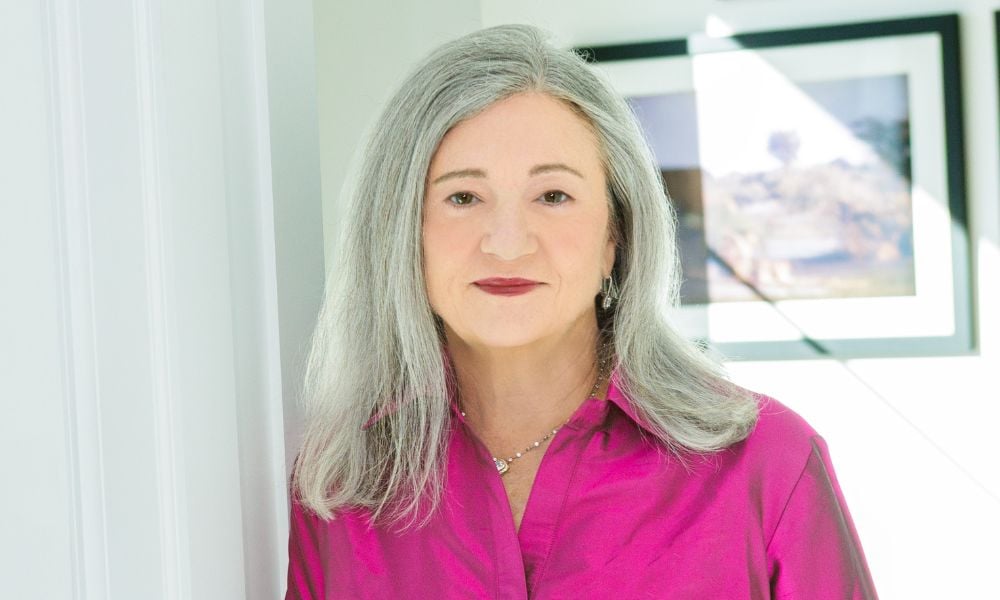
Melissa Cohn, regional vice president at William Raveis Mortgage in New York, said things wouldn’t return to normal in the mortgage market immediately following the ceasefire.
"The resolution, which has not really resolved the war in Iran, is not going to be the magic bullet that President Trump thinks will bring everything back to where we were in February," Cohn told Mortgage Professional America. "There's a lot of damage inflation-wise. It's going to take a long time to undo."
A step in the right direction
World leaders seem to be optimistic that this ceasefire will hold. If it does hold, the next step in the process will be cleanup and rebuilding.
Cohn said refineries were damaged during the fighting, the Strait of Hormuz was disrupted, and energy supply chains do not recover overnight. All of those things caused energy inflation to increase, which was reflected in the updated dot plot produced by the central bank yesterday.
The Fed's June dot plots showed PCE inflation projected at 3.6% for 2026, well above the 2% target, with 9 of 18 members projecting a rate hike before year's end.
She said the geopolitical picture remains fluid. Trump has said that if Iran does not sign the agreement on his terms within 60 days, military action could resume.
Bond yields rose on the day of the decision and stocks sold off, with oil prices spiking earlier in the session after Trump's comments before ending the day lower. Cohn said the market was simply reacting to too many moving parts at once.
"Things change on a moment-to-moment basis," she said. "We just have to roll with the punches."
Warsh earns praise for first meeting
The ceasefire announcement arrived alongside the FOMC decision. Mortgage brokers watching the decision were left with a familiar picture. Rates are elevated, inflation is running hot, and the housing market is still waiting for the number it needs.
Cohn said she was not surprised by the hold. She said the more consequential question heading into the meeting was not whether the Fed would cut rates but whether it might hike rates.
"I don't think there's any surprise with the decision," Cohn said. "I think that if the Fed was going to surprise us, it would have been with a rate hike and not a rate cut. I think that Warsh has done a very good job of saying, ‘There's a new chair, the Fed is going to work a little bit differently.’ There are going to be changes that are going to be made."
Cohn said she spent about 40 minutes of a flight listening to Warsh's press conference. What she heard left her more optimistic about the new chair than she had expected.
"He's making his own way, and he's not going to ride on any predecessor's laurels," she said. "He sounded to me like he's very independent, understands the job, and appears to be well organized with it."
She also said Warsh was right to signal skepticism about the dot plot as a forward guidance tool. He noted during the press conference that the projections could change in six hours or six days, and Cohn said that framing is more honest than markets are used to hearing.
"If you look at the dot plots, you'll see that the Fed members at certain times have changed their dot plot pretty dramatically from one meeting to the next," she said. "Warsh is basically saying that there's a lot going on in the world right now. It's really impossible to predict where anything's going to be."
Cohn said Warsh's measured performance does not change the housing math for the rest of 2026. She had been watching rates approach the level she believes the market needs to genuinely recover.
"I've always said that the rate that it takes to get the real estate market back on track would be a 30-year fixed rate at 5.5%," she said. "We were close. We were at 5.75%, even 5.625%, in February. We were tasting it."
Rates are now running in the mid-6s. Cohn said the only buyers and borrowers moving right now are those who have no choice.
"Those people who must move and those people who must refinance will be doing so," she said. "But there are people who still don't like the rate environment that we're in today, and it's keeping them on the sidelines."
Stay updated with the freshest mortgage news. Get exclusive interviews, breaking news, and industry events in your inbox, and always be the first to know by subscribing to our FREE daily newsletter.