
New housing supply is failing to close the gap as demand surges and entry-level affordability declines
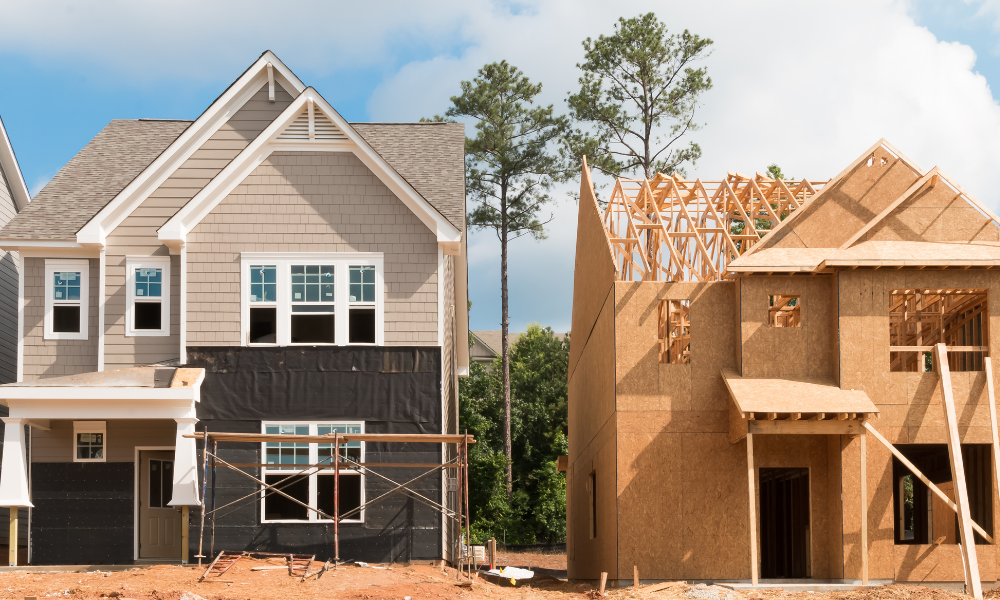
America’s housing deficit has reached a record high of 4.7 million units, with affordability pressures and skilled labor shortages continuing to hamper new home construction.
While residential construction surged in response to pandemic-era demand, supply growth has still failed to keep pace with the country’s rising household formation. A Zillow report points to nearly two decades of underbuilding, dating back to the Great Recession, as the foundation of the current shortfall.
"The unfortunate fact is that we still don't have enough housing in this country for people who need it," said Zillow senior economist Orphe Divounguy. "Construction has helped prevent the housing deficit from ballooning, but it hasn't yet begun to close the gap."
Zillow’s data shows that housing stock grew by 1.4 million homes in 2023, slightly more than the 1.3 million added in 2022. Builders completed 1.45 million units in 2023, followed by 1.63 million in 2024, the highest totals since 2007. However, even with these gains, the overall deficit expanded by another 159,000 homes in 2023.
A key barrier to progress is a persistent shortage of skilled labor. Construction delays tied to labor constraints have cost the US economy more than $10.8 billion annually, including direct impacts of $2.66 billion and the production loss of approximately 19,000 single-family homes in 2024 alone, according to a report conducted by the Home Builders Institute (HBI) and the National Association of Home Builders (NAHB).
The shortage has increased average build times by nearly two months, with smaller builders facing even longer delays. As a result, builder sentiment is falling. In June, the NAHB’s confidence index for new single-family home construction dropped to 32, down two points from May.
“Rising inventory levels and prospective home buyers who are on hold waiting for affordability conditions to improve are resulting in weakening price growth in most markets and generating price declines for resales in a growing number of markets,” NAHB chief economist Robert Dietz said.
NAHB forecasted a slowdown in single-family housing starts for 2025, further exacerbating concerns about long-term supply.
Government data shows overall housing starts fell 9.8% in May, bringing the seasonally adjusted annual rate to 1.26 million units. While single-family starts ticked up 0.4% month over month to 924,000, they remain down 7.3% compared to May 2024.
On a year-to-date basis, single-family starts are down 7.1%, while multifamily 5-plus unit starts are up 14.5%, reflecting a growing preference for rentals as affordability worsens.
Despite slightly lower mortgage rates compared to last year, the cost of homeownership continues to strain first-time buyers. A typical household would now need a $17,000 income boost just to afford a median-priced home—something they could have achieved on 2019 earnings.
Zillow’s report also highlights how metro areas with fewer regulatory barriers have seen more rapid construction and better pricing outcomes. The firm says relaxing zoning rules to allow higher-density housing could make a meaningful impact in reducing the deficit, especially in high-barrier markets like New York, Los Angeles, Boston, San Francisco, and Washington, D.C., where shortages are most severe.
Stay updated with the freshest mortgage news. Get exclusive interviews, breaking news, and industry events in your inbox, and always be the first to know by subscribing to our FREE daily newsletter.


