Greene and Pill warn delay risks lasting inflation, leaving brokers braced for another round of mortgage repricing
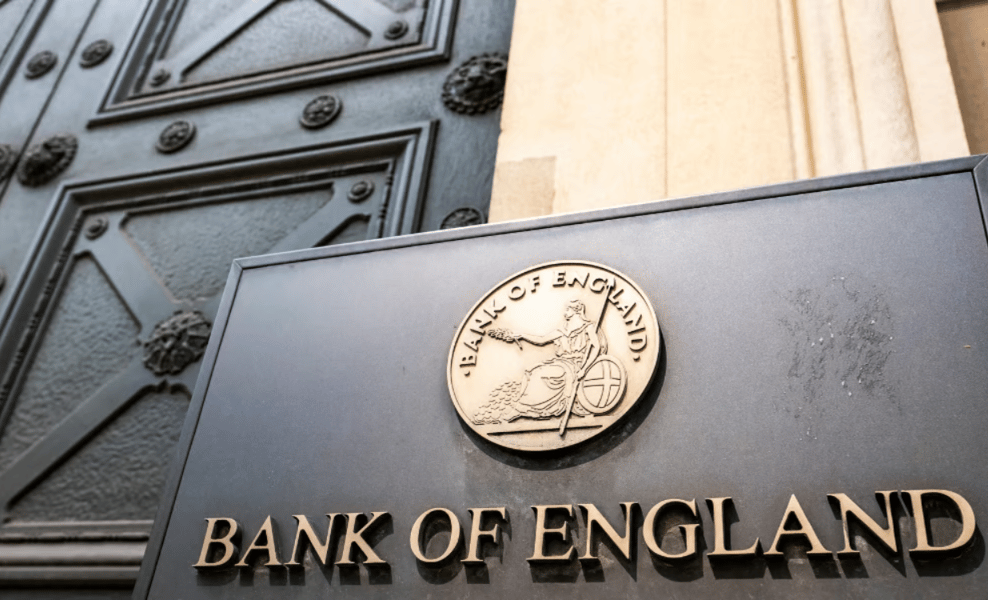
Two senior Bank of England (BoE) rate-setters have called for faster interest rate rises, less than three weeks after the central bank lifted Bank Rate for the first time since 2023.
External Monetary Policy Committee (MPC) member Megan Greene said on Tuesday that the Bank is "a little bit behind the curve now" and should tighten further unless the Middle East conflict ends or the data turn sharply, Investing.com reported.
A day earlier, chief economist Huw Pill told a central bank conference in Vienna that action was needed to keep public confidence that inflation will return to its 2% target.
The MPC's next decision is due on 17 December. Markets are currently pricing roughly an 80% chance of a quarter-point rise.
Energy, wages and credibility drive the push
Three pressures sit behind the call for faster action.
The Bank raised Bank Rate by 0.25 percentage points to 4% on 5 November in an 8–1 vote, with Catherine Mann backing a half-point rise. The Bank's November Monetary Policy Summary set out the decision, and the Bank warned at the time that more hikes may be needed if the US-Iran conflict keeps energy prices high.
Inflation has since moved further from target. The Consumer Prices Index (CPI) rose 3.6% in the 12 months to October, up from 3.5% in September, with fuel again a major contributor, according to the Office for National Statistics' October inflation release.
Greene said barring a swift end to the US-Iran war, price pressures were likely to persist – further clouding the inflation outlook. “I think it’s appropriate to tighten policy further unless there’s a miraculous turnaround in data or in the war,” she said.
“You would need to see a lasting, credible, diplomatic solution that would end the war, and I’m putting that probability incredibly low.”
Pill, meanwhile, called for the central bank to move quickly to prevent inflation from running away in the coming months. “To maintain… medium-term price stability, meet the inflation target on a lasting basis at longer-term horizons, I think we do need to take action now,” he said.
Wages are the second concern. Greene believes spare capacity in the economy has peaked and that a tighter jobs market will push pay higher next year. Her preferred forward-looking indicators show wage growth stuck at around 3.5%, above the level consistent with the 2% target.
Pill's argument centres on trust. He said the Bank cannot take its credibility for granted, with inflation below target in only three of the last 62 months. "I think we do need to take action now," he said, as reported by Reuters.
Holding back risks entrenched inflation
The hawks' warning is about second-round effects. These occur when workers secure bigger pay rises to cover higher living costs, and firms then lift prices to cover higher wages. At that point a one-off energy shock becomes persistent inflation.
Not everyone on the committee agrees. External MPC members Swati Dhingra and Alan Taylor said after the November meeting that they would need stronger evidence of second-round effects before backing more tightening..
In his August annual report to the Treasury Select Committee, Taylor argued that holding Bank Rate at a moderately restrictive level offered reasonable insurance, while warning of growing risks of recession and below-target inflation.
Holding back would therefore suit the doves – but if the hawks are right, the cost would be higher rates later.
Faster rate hikes would test mortgage borrowers
Faster tightening would land on a mortgage market that has already repriced. Average two-year fixed rates climbed to 5.97% and five-year fixes to 6.00% in November, according to Moneyfacts data, as fixed mortgage rates hit a three-year high ahead of the base rate rise.
Lenders price fixed deals off swap rates, so expectations of further hikes reach borrowers before the Bank acts. The BoE estimates that 750,000 households with a fixed rate expiring in 2026 currently pay below 3%, as Mortgage Introducer reported when major lenders were raising fixed rates ahead of the MPC vote.
The risk on this side is overtightening. Pill himself has said further rises could be avoided if the economy buckles under another cost-of-living squeeze, Reuters reported on 9 November. As this BoE economist's warning over housing showed, the prospect of more hikes threatens a housing market that has struggled to gain momentum this year.
Want to be regularly updated with mortgage news and features? Get exclusive interviews, breaking news, and industry events in your inbox – subscribe to our FREE daily newsletter. You can also follow us on Facebook, X (formerly Twitter), and LinkedIn.