How automated systems fall short — and how Together’s flexible approach sets a new standard
This article was produced in partnership with Together
Recently, a high-net-worth client working with Enness, a London-based brokerage, came to Together for a solution. They were looking for a £4 million multi-purpose loan to renovate their second home in Ibiza ahead of the summer season, finish their primary home’s refurbishment, and invest in their business.
Ultimately, it was secured by way of second charge on two high-value luxury properties, one worth £8.8 million and the other £4 million. The regulated bridge product included a simple refinance exit.
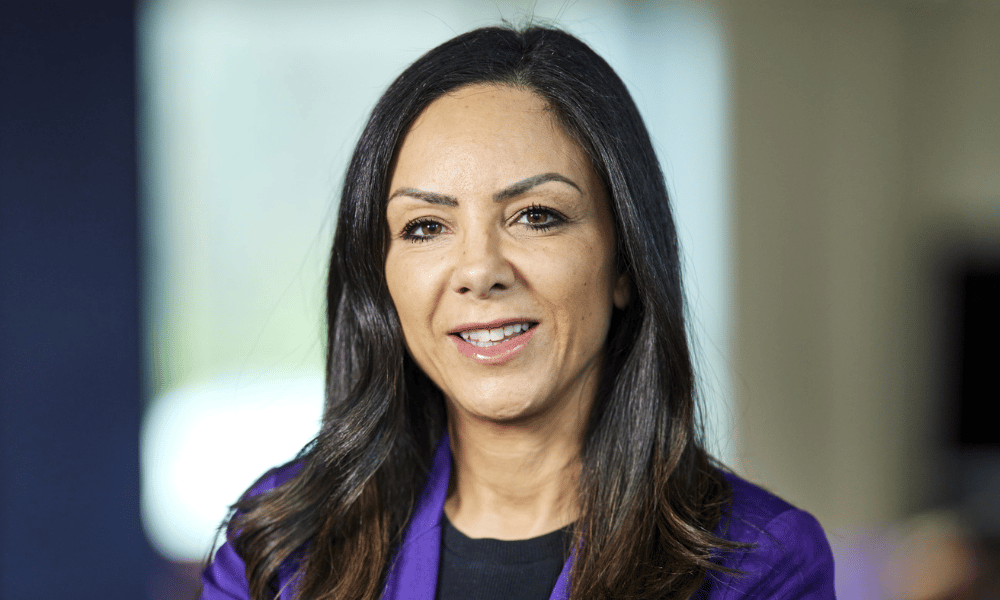
While the scenario looked complex at first blush with multiple moving parts, “it’s not a difficult transaction if you just take the knots off - you can’t be scared to dive in,” says Tanya Elmaz, managing director of intermediary sales. For Together, which transacts on average £11m per month of regulated loans through its Intermediary channel, it was well within its wheelhouse to put this product together.
“Lenders like us use a flexible approach to make what is a straightforward decision: a £4 million loan on two securities, one worth £9m and one of £4m,” Elmaz explains. “There’s a growing need for this type of transaction as banks hesitate more and more with what’s deemed to be unusual scenarios.”
Automated systems miss the mark for the high-net-worth
High-net-worth individuals tend to have much more complex financial profiles than other segments of borrowers; they simply don’t have demonstrable income in the same way as someone who has a singular PAYE. Their income structure is derived from multiple streams, such as dividends or from trusts or LLPs, and they may use both onshore and offshore accounts.
Profits tend to be irregular. They may have multiple businesses, with some starting out slowly but then taking off, for example, and changing business profiles as well. These clients are also often asset rich, with lots of property and equity, but cash poor. There’s also a tendency for these individuals to live in different countries at different times, impacting their credit profiles and requiring a lender like Together who can handle international income sources - and are willing and able to work remotely as well.
What they need funds for is also different from a run-of-the-mill residential mortgage, for example. The most common scenario that Together sees is people looking to buy luxury property, which is not always on the market in the same way that standard property is. Often there's an element of speed required. Another big area is business; they’re looking to buy a new company, invest further in an existing one, or change their business profiles.
Additionally, there are many looking to refinance to restructure their debt, as Elmaz calls it “a totally different ballgame in its entirety” to’ standard’ individuals looking to do the same thing.
“This segment of clients are borrowing at the right level with the right interest and leveraging those funds to create more opportunity for wealth. It’s an ongoing strategy to make their debt advantageous.”
None of the above translates well into a tick box scenario, which is what traditional lenders rely on. It’s not easy to demonstrate any of that information - and if you did turn to an automated system, that’s where you’d get a decline.
“If you take all of that into account, I don't know what type of system you would need to actually understand everything,” Elmaz says. “It definitely does require a human touch: it’s a conversation that needs to be had.”
Personalised lending: How Together stands apart
Together has long understood the importance of a manual underwriting approach, having one for every product set it provides. But the need for an approach that foregoes reliance on internal credit scores and rigid income multiples is much starker in the world of high-net-worth clients. So much so, that at the end of last year Together rolled out an underwriting team dedicated to this area.
“We know there's no point in having a checklist to say these are the five bits of paper we need to prove X because invariably in these types of unique scenarios, there's going to be unique documentation that’s available or useful,” Elmaz says, adding that at Together, it’s not a yes or no: it’s a yes or a referral.
In many instances, the process involves a three-way conversation with lender, broker, and customer. This allows everyone to get on the same page as quickly as possible and is a valuable tool for brokers to learn what the lender is looking for. The customers also value this approach because it demonstrates the strength of the relationship between Together and the brokers it works with.
“We recognise there's no tick box scenario, everything is very bespoke,” Elmaz says. “There's always direct communication with the broker and the customer to help them navigate their complex needs."
Entering broker education and awareness era
Together is unique in the specialist market due to the many different products they offer - and they’re keen to let the industry know it. It’s not easy for brokers to keep up to date on what various lenders are interested in and what their appetites are, so that’s something Together is going to be louder about.
In the bridging space, Together can transact up to £12 million in a single transaction upon referral. Often, even higher figures are possible by structuring the deal as two separate loans, especially if there are different asset classes involved. For commercial terms, Together can lend up to £5 million, and they are able to offer both regulated and unregulated loans.
“We’re that lender that can do a loan for £26,000 and then a minute later do one for £12 million,” Elmaz explains. “We want to continuously elevate brokers’ awareness of what we’re capable of. They’re going to see much more communication from us in this space.”
The education piece is critical as well. Elmaz underscores the nuances of this segment, highlighting that there are different questions brokers need to ask in these scenarios. Every time Together works on one of these deals, they take the time to speak to the broker about the ins and outs. The lender also provides standard templates, application forms, and process information, as well as training sessions.
With several emerging trends impacting the space - the rise of young, wealthy entrepreneurs, balancing advanced technology with a human touch, the use of alternative currencies and asset classes, such as cryptocurrency, and a growing need for products that accommodate multi-jurisdictional income and property - lenders must continuously innovate to stay competitive. It’s keeping pace with customer expectations or fall behind.
With 51 years of experience under its belt and a loan book that stands at £7.8 billion and growing, expanding more into the high-net-worth arena is a way of future-proofing the business. And Elmaz says the bottom line is, keep your eye on Together.
“We might have some interesting news about a release in January,” she shares. “We are not ones to stand idly by: we don’t sit on our laurels at Together.”