Narrower margins and looser terms come with refinancing risk if credit tightens
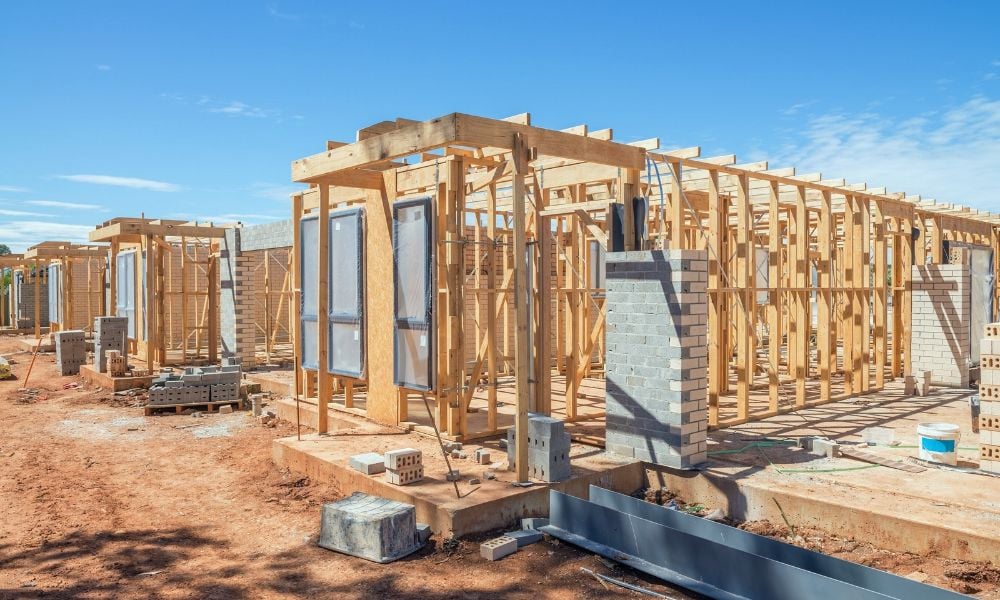
Property developers relying on alternative funders could struggle to refinance if credit tightens, the Reserve Bank of New Zealand (RBNZ) has warned, as domestic and offshore non-bank lenders become more active in development finance.
In its November 2026 Financial Stability Report, which also tipped the average mortgage rate to climb to 5.4%, the central bank said a pullback in credit after an adverse shock could make it harder for some developers to roll over existing debt or fund new projects.
The Australian warning
The RBNZ pointed across the Tasman to show how these risks can play out. When a major Australian developer collapsed, several private lenders were left facing losses, and some funds limited redemptions as investors sought to withdraw. The Australian Securities and Investments Commission (ASIC) has since said it will investigate the A$3.4 billion collapse of Sydney homebuilder Bathla, Reuters reported.
Private credit has become a major source of development funding in Australia. ASIC has estimated private credit accounts for about 26% of residential development lending there.
Why alternative funders are gaining ground
Industry contacts told the RBNZ that domestic and offshore non-bank lenders had stepped up their activity, particularly in property development. That growth appears to be happening outside the deposit-taking sector. Development lending by non-bank deposit takers has held at around 6% of equivalent bank lending.
Competition from these funders has made development finance easier to obtain, contributing to narrower lending margins and more accommodative lending conditions, the report said. Given the relatively small scale of non-bank lending, the RBNZ said these developments “are unlikely to pose a systemic risk at present”. It cautioned, however, that vulnerabilities could build if the conditions persisted.
The extra funding has arrived in a tough market. Projects are struggling with poor off-the-plan sales and steep land, building, and infrastructure costs, while smaller developers are under strain from unsold homes and higher interest bills.
Building approvals paint a mixed picture. While 41,091 new homes were consented in the year to September 2026, up 18%, seasonally adjusted approvals fell 7.9% in September, and townhouse, flat, and unit consents were 20% lower than a year earlier, according to Stats NZ.
Commercial property is also on the central bank’s watchlist. More poorer-quality office space is sitting empty, particularly in Wellington. Leverage among commercial property owners remains moderate, and financial stress in banks’ commercial property lending has edged up but remains low, though owners’ debt-servicing pressures could grow if interest rates rise.
Because much of the new development lending sits outside its regulated sector, the RBNZ said non-bank lenders’ “growing role in credit provision highlights the importance of ongoing monitoring”.
Stay informed with the latest housing market trends and mortgage insights — subscribe to our free daily newsletter.