$1-million-plus pricing complicates the affordability goal

The economic case for a $1.45-billion federal-provincial plan to buy unsold British Columbia condos rests on securing units below market value, but analysts and commentators question whether a voluntary sale can deliver the discount the program requires.
Prime Minister Mark Carney has said the government would buy "distressed condos" at a discount "at the right time," framing the plan as a way to convert some 2,200 empty units into rent-to-own homes. Ottawa would contribute about $145 million, or 10% of roughly $1.45 billion in potential spending, with BC roughly matching that amount and the rest coming from financing.
Whether that discount is achievable is contested. A Fraser Institute commentary argued that owners of vacant condos remain free to sell to whomever they like, and that if government offers less than a home might fetch privately, owners can decline. The commentary concluded government should expect to pay no less than the next-best private offer — at least market price.
Testing the discount
Premier David Eby has defended the plan as opportunistic buying in a weak market. "Ultimately we'll be buying below the cost of construction. No developers will be profiting from this," Eby said. He said the program would not work for units in the City of Vancouver, where prices remain too high, but could apply in the Fraser Valley, Okanagan and Vancouver Island.
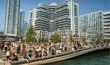
The pricing of current inventory complicates the affordability target. According to Canada Mortgage and Housing Corporation (CMHC) data, 81% of new unsold condo units in the city of Vancouver are priced above $1 million. Across Metro Vancouver, 37% of unsold units exceed that level.
Consequences for valuations
The scale of the inventory frames the stakes. CMHC data showed 4,376 completed and unabsorbed condo apartments in the Vancouver census metropolitan area in May 2026, compared to 2,488 a year earlier — an increase of 76%. Vancouver realtor Goodman estimated the 2,200 units would represent about 77% of everything held by 25 private developers with multiple unsold projects on their books.
Purchase terms have not been set. Further details have not been released, including buyer eligibility, price points, financing terms and project criteria.