Borrowing costs expected to rise once again as policymakers unanimously confirm inflation fight far from done
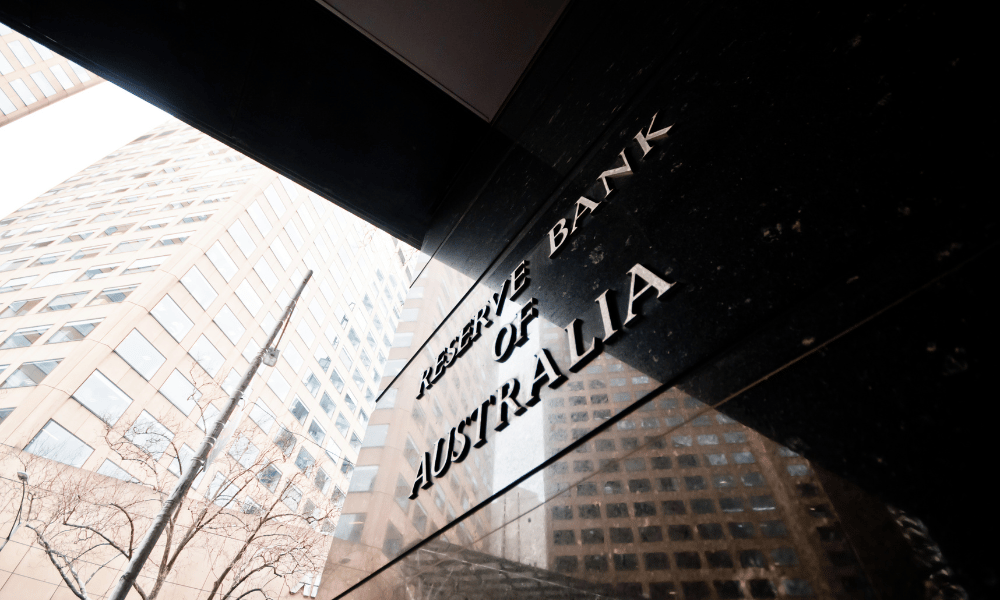
The Reserve Bank of Australia (RBA) has raised the cash rate by 25 basis points to 4.6%, marking the fourth increase this year after a two-meeting pause.
It takes the official cash rate to its highest level since November 2011.
Commonwealth Bank, Westpac, NAB and ANZ all forecast the RBA would raise the cash rate again as the case for tightening built through September.
Australia's July inflation came in hotter than expected, with trimmed mean inflation, the RBA's preferred measure, remaining at 3.6% in July 2026, unchanged from June. Headline CPI eased to 3.5%. Both figures were above the RBA's 2–3% target band.
The cash rate has now risen by 100 basis points since February, when the board began unwinding the 75 basis points of cuts delivered in 2025.
For a borrower with a $600,000 mortgage and 25 years remaining, today's rise adds approximately $91 per month to minimum repayments, if lenders pass it on in full (as is widely expected).
Borrowers on the same mortgage now face a cumulative $364 monthly increase in repayments when factoring in all four rate hikes.
The Monetary Policy Board, which voted on the rise unanimously said: "Inflation remains elevated and some of the upside risks flagged in August are materialising.
"The conflict in the Middle East has broadened and global energy prices are now much higher than had been assumed in the August forecasts. AI-related demand is driving rapid growth in global prices for technology-related goods. And there remains pressure on domestic capacity.
"Liaison indicates that firms are experiencing cost pressures and are either increasing the prices of their goods and services or looking to do so. Short-term measures of inflation expectations remain elevated. And recent inflation outcomes in Australia were stronger than expected at the previous meeting.
"Growth in output has slowed but, at the margin, was stronger than expected in the June quarter. There are signs that growth in consumer spending is easing gradually as expected, although housing prices have fallen in most capital cities and new housing loans have declined noticeably.
"Labour market conditions have eased broadly as expected in recent months, and labour market leading indicators are broadly stable. Meanwhile, growth in business investment and debt is strong.
"There continue to be heightened uncertainties about the outlook for domestic economic activity and inflation. The Middle East conflict remains unresolved, and there are scenarios where inflation is higher and activity lower than forecast. Global oil supply disruptions are maintaining upward pressure on global and domestic energy prices and inflation.
"A period of prolonged uncertainty may also cause growth to be lower overseas and in Australia. To date, however, growth in Australia’s major trading partners has been stronger than expected, as the boost from AI-related investment has outweighed the adverse effects of the Middle East conflict.
"In Australia, weak productivity growth continues to constrain potential growth and there are uncertainties about the economic effects of the downturn in the housing market."
Stay tuned to MPA for further market commentary, analysis and lender reactions.