Cost, not intent, is what's holding Aussies back

Australian households are planning to significantly ramp up spending on home energy efficiency over the next five years, according to the newly released PropTrack Origin Australian Home Energy Report 2026.
Seven in 10 Australians (69%) now intend to invest in upgrades such as solar, batteries, and insulation within five years, up from 65% a year ago, with average planned spend rising to $8,340 per household — a jump the report estimates could add $3 billion nationally compared to last year, taking total projected spending past $85 billion.
That optimism sits alongside more modest recent behaviour: 43% of households spent nothing on efficiency improvements in the past 12 months, and cost remains the dominant barrier.
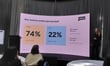
Eleanor Creagh (pictured), realestate.com.au senior economist, said cost-of-living pressures are shaping both the appetite for upgrades and the hesitation around them.
"Despite the growing momentum for planned future investment, many households still face real barriers to taking action, with both upfront costs and a lack of understanding the key hurdles," Creagh said.
Renters and younger buyers face a bigger hurdle
The barriers are not evenly spread. Renters and under-35s are markedly less likely to have installed energy efficient features or to know how to improve their home's efficiency, with many citing a lack of control over a property they don't own.
Creagh noted that "those with a stronger understanding of energy efficiency are more likely to make updates, underscoring the importance of clear information, practical support, and accessible incentives to help more Australians get started."
Financial incentives strengthen the property value case
For brokers advising property investors and owner-occupiers alike, the report reinforces that solar panels and insulation are viewed as the features most likely to add financial value to a home, alongside home battery storage.
Jon Briskin, Origin's retail executive general manager, said improving energy literacy was central to unlocking that value.
"Boosting energy literacy is more important than ever," Briskin said, pointing to tools such as home energy audits and plan comparisons to help households "make energy efficiency easier to understand and more achievable."
This growing appetite is already reshaping buyer behaviour and lender activity. Separate research from Great Southern Bank shows 85% of Australians would prefer to buy a home with renewable and energy efficiency technology already installed. Great Southern Bank chief customer officer Rolf Stromsoe said "this growing interest is translating into demand for green lending" — the bank's own green lending portfolio has doubled over the past year.
That shift is compounded by government support: with rebates including the Cheaper Home Batteries Program continuing to lower upfront costs, brokers may find growing client interest in financing energy upgrades alongside standard mortgage products, particularly s borrowing capacity and long-term running costs increasingly factor into purchase decisions.
Get the hottest and freshest property and mortgage news delivered right into your inbox. Subscribe now to our FREE daily newsletter.