Expanded rules set to speed up small dwellings
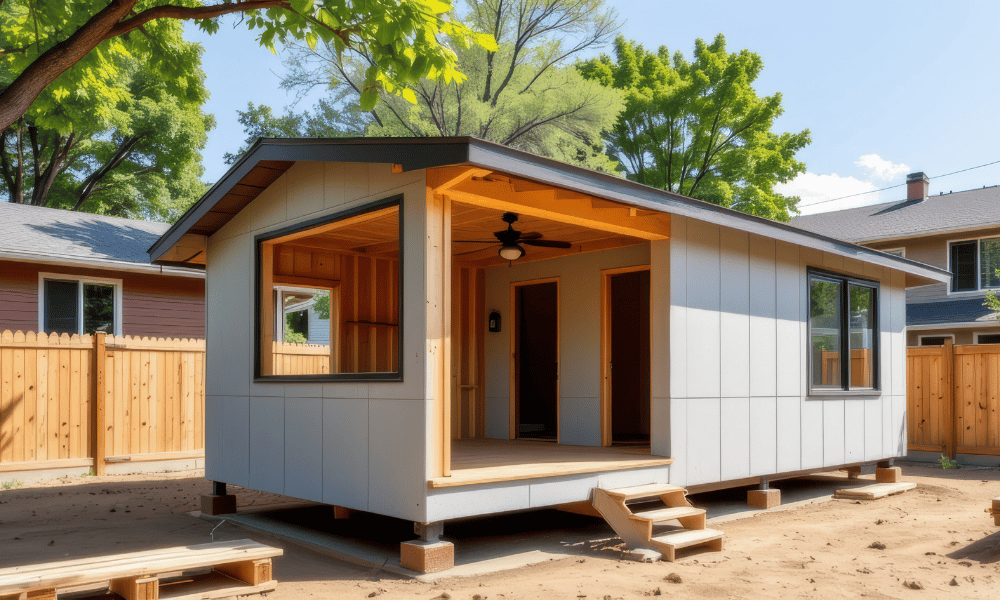
New consent‑free granny flat rules are being expanded, creating new opportunities – and complexities – for mortgage advisers advising owner‑occupiers and property investors on small‑dwelling strategies.
Since January, homeowners have been able to build standalone units up to 70 square metres without building consent if they meet simple design and Building Code standards. Ministers have now confirmed further changes for Q3 2026 that will let consent‑exempt granny flats be built off‑site before a Project Information Memorandum (PIM) is issued, provided conditions are met, 1News reported.
“That means homes can be built in advance, giving buyers the ability to inspect them before purchase and reducing overall construction time," Building and Construction Minister Chris Penk said.
A PIM will still be required before any on‑site work begins, so councils can confirm the home is suitable for the specific section.
The exemption will also be widened to include Structural Insulated Panels (SIPs) with a CodeMark certificate, recognising more prefabricated building systems while still requiring Building Code compliance. Ministers say the package is designed to “give homeowners even more choice, while maintaining strong safety and quality standards”.
Not a free-for-all – local rules and costs still bite
For advisers, the detail around planning rules and cashflow remains crucial. Housing Minister Chris Bishop has stressed the regime is “not a complete free-for-all” and that the same restrictions that apply to ordinary dwellings – including flood‑zone limits and setback rules – still apply to granny flats. Work must be done or supervised by licensed building practitioners, and councils must be notified.
Even without formal building consent fees, clients still face upfront costs. Hastings District Council, for example, estimates development contributions for an urban granny flat are likely to sit between $17,000 and $30,000, with rural residential contributions typically between $4000 and $7000. These charges come on top of construction, connection, and professional fees, as well as higher council rates for a second dwelling.
New options for multigenerational and rental strategies
Regional leaders see scope for the rules to support intergenerational living and flexible rental stock.
Hastings mayor Wendy Schollum said “granny flats can make a real difference to the community”, from keeping older relatives close to adding accessible options at a time when housing pressure is being felt across the district.
For mortgage and finance brokers, the evolving framework means more conversations about how small secondary dwellings affect borrowing capacity, yields, and mortgage rates. It also underscores the need to factor in local development charges, infrastructure limits, and long‑term compliance before clients commit to a backyard build, particularly for first‑home buyers looking to add rental income and property investors weighing granny flats against more traditional infill or subdivision options.
Stay informed with the latest housing market trends and mortgage insights — subscribe to our free daily newsletter.