What the latest GDP, jobs, and inflation data tell us about the BoC's next move
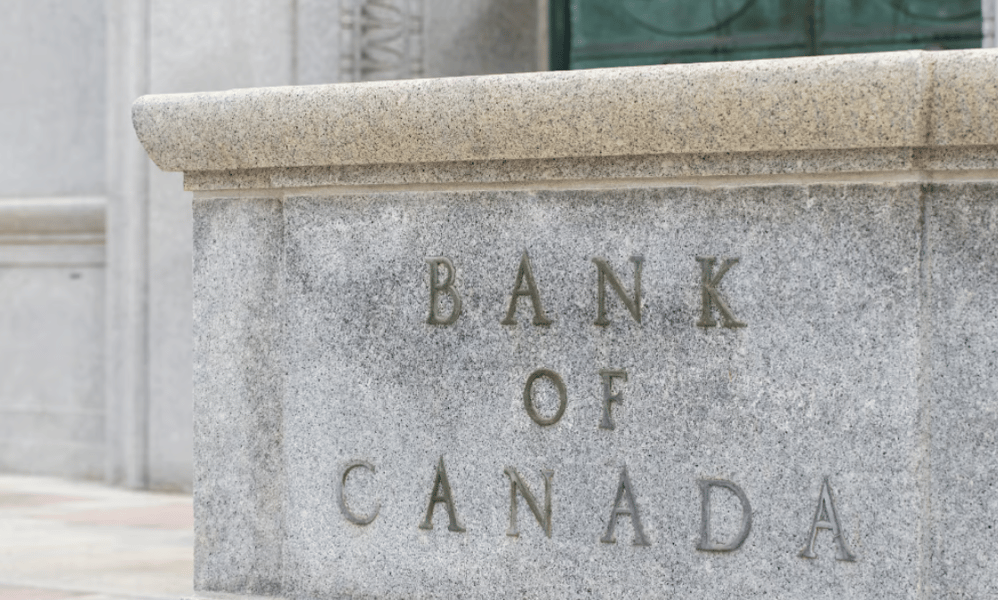
The Bank of Canada's June 10 decision is shaping up to be one of its quietest yet. Economists at Royal Bank of Canada are forecasting a fifth consecutive hold at 2.25%, pointing to a combination of soft economic growth, an easing labour market, and core inflation that is tracking below the central bank's own expectations.
In their latest weekly preview, RBC Economics' Nathan Janzen and Abbey Xu say there is "little evidence so far that higher energy prices are filtering into broader measures of underlying inflation," adding that "the BoC's preferred core inflation measures surprised broadly to the downside in April."
While oil-driven headline inflation has climbed back above the 2% target, the pair argue the Bank of Canada has limited tools to address global energy prices, and that the surge has not yet fed through to the underlying price pressures that actually drive policy decisions.
The BoC's preferred core inflation measures came in broadly lower than expected in April, undermining any case for a near-term raise.
The Bank of Canada is facing growing pressure to raise interest rates, with financial markets currently pricing in more than two full hikes before the year is out.https://t.co/duLBPJOyPL
— Canadian Mortgage Professional Magazine (@CMPmagazine) May 19, 2026
Growth has also disappointed. Gross domestic product declined 0.1% annualised in the first quarter, marking a second consecutive quarterly contraction and landing well below the Bank's April estimate of a 1.5% expansion.
The result follows a 1% contraction in the fourth quarter of 2025. Janzen and Xu argue the headline figures understate underlying resilience — per-capita output rose, consumer spending advanced 1.5%, and real gross domestic income climbed 2.7% on higher oil revenues.
Even so, they acknowledge the data gives the Bank every reason to remain on hold.
Read more: Recession? What recession? Economist says job numbers show downturn fears are misplaced
Labour market sending mixed signals
The unemployment rate edged down to 6.6% in May from 6.9% in April, a modest improvement but still elevated by historical standards.
Layoffs have continued to decline, yet hiring demand remains subdued, and new labour market entrants are still struggling to find work.
Hours worked increased 0.6% in May after stalling in April, signalling gradual improvement rather than a clear reversal.
Read more: Rate hold was a close call, BoC minutes reveal
What brokers should watch ahead of June 10
Variable-rate borrowers face no immediate change. Fixed-rate pricing will continue to track Government of Canada bond yields, which are sensitive to any shift in rate expectations, particularly south of the border, where RBC's base case has the US Fed making only one more cut in 2026.
RBC's central scenario calls for the overnight rate to remain at 2.25% through the end of the year, with the next move, which is an increase, not expected before 2027, contingent on improved growth and labour market conditions.
That timeline aligns with Desjardins Group's May 2026 economic outlook, which similarly holds the Bank on the sidelines while flagging a rockier second half of the year.
Make sure to get all the latest news to your inbox on Canada’s mortgage and housing markets by signing up for our free daily newsletter here.