Combined capital city house and unit prices posted their first quarterly declines in more than three years

Australia's housing boom has ended, according to Domain's June Quarter 2026 House Price Report, with combined capital city house prices falling 1.4% (-$17,489) over the quarter and unit prices declining 1.2% (-$8,631). The result ends the longest uninterrupted run of quarterly growth since 2012–15.
Annual growth remained positive across both property types but slowed to nine-month lows. Higher interest rates, affordability pressures, and weaker buyer confidence are driving increasingly divergent outcomes across cities, property types, and buyer segments.
Sydney recorded the largest quarterly house price decline nationally, with values falling 3.3% (-$59,884) to $1.73 million — the city's first quarterly fall since December 2022 and its weakest annual growth rate in three years. Unit prices in Sydney also declined for the first time in two years.
Melbourne's downturn deepened, with house prices falling 3.1% (-$33,381), the steepest quarterly decline in almost four years; annual house price growth turned negative for the first time in 15 months. Brisbane and Canberra also recorded house price declines over the quarter.
Adelaide was the strongest performer, with house prices rising 4.8% ($51,186) to a record $1.125 million — the largest quarterly gain of any capital city. Adelaide overtook Melbourne to become Australia's fourth most expensive capital city for houses. Perth continued to record the strongest annual house price growth nationally at 22.5% year-on-year, though quarterly growth slowed to its weakest pace in 15 months.
The unit market reflected the most pronounced signs of softening, with prices falling in every capital city except Darwin, where values rose 5% over the quarter.
Across the broader market, listings have increased, properties are taking longer to sell, and buyers have gained negotiating power. Auction clearance rates have fallen to their lowest level since April 2020, while withdrawal rates have risen as vendors adjust to changing conditions.
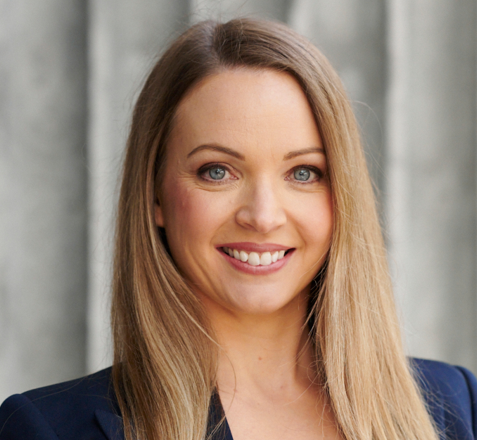 "Three months of data confirm that higher interest rates, affordability pressures and weaker confidence are changing buyer behaviour and bringing the broad-based growth cycle to an end," said Nicola Powell (pictured right), chief of research and economics at Domain. "Australia is no longer moving as a single housing market. Sydney, Melbourne, Brisbane and Canberra are in decline. Adelaide continues to strengthen, and Darwin is bucking the trend in units, highlighting how local affordability, supply and demand are driving increasingly different outcomes.
"The unit market is providing one of the clearest signs of changing conditions. Price declines across almost every capital city suggest investors and first-home buyers are becoming more cautious as borrowing costs rise and expectations of future price growth moderate.
"Strong population growth, limited housing supply and elevated construction costs continue to support prices, but affordability is now the dominant force shaping the market. Buyers have more choice, less urgency and greater negotiating power than they've had in several years."
Want to be regularly updated with mortgage news and features? Get exclusive interviews, breaking news, and industry events in your inbox – subscribe to our FREE daily newsletter. You can also follow us on Facebook, X (formerly Twitter), and LinkedIn.