Regulator also reviews licensees amid concern over social media advice

The Australian Securities and Investments Commission (ASIC) has joined 16 overseas regulators in a coordinated effort to curb unlawful financial promotion by social media finfluencers, as officials warn that online financial content is increasingly shaping decisions, particularly among younger Australians.
The corporate watchdog said it had issued warning notices to four finfluencers it suspects of providing unlicensed financial advice or engaging in misleading or deceptive conduct. It has also begun reviewing several Australian Financial Services (AFS) licensees over their oversight of 15 finfluencers operating under those licences.
ASIC said the measures are intended to interrupt unlawful online promotion before consumers suffer financial harm. The four warning notices relate to suspected unlicensed financial advice, including content promoting claims of guaranteed returns, which the regulator said may also be misleading or deceptive.
The action formed part of the second Global Week of Action Against Unlawful Finfluencers, involving 17 regulators across Asia, Europe, North America, South America, and the Middle East.
Recent research published on ASIC’s Moneysmart platform found that 63% of Gen Z Australians aged 18 to 28 rely on social media for financial information. The research also found that 56% somewhat or completely trust financial information on social media, and 52% somewhat or completely trust information from finfluencers.
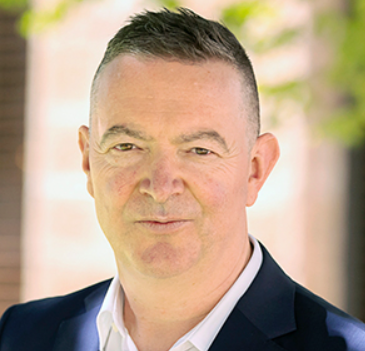 “Unlawful finfluencer activity doesn’t respect borders, which is why regulators are taking strong action together for a second year in a row,” said ASIC commissioner Alan Kirkland (pictured right).
“What people see online is shaped by algorithms designed to drive clicks and engagement, rather than promoting accurate information. This means consumers are more exposed to biased or misleading content.”
ASIC said its surveillance examined finfluencers targeting Australian investors and discussing products, including leveraged derivatives, shares and exchange-traded funds.
“Finfluencers must either hold an AFS licence or operate as an authorised representative to legally provide financial product advice or arrange for their followers to deal in financial products,” Kirkland stressed.
“When viewing financial content on social media, we urge Australians to check a creator’s credentials, and sense‑check the information before acting on it. If someone on social media is promising easy money or guaranteed returns, there is a real risk they’re breaking the law, and you could be the one who loses money.”
ASIC said consumers and investors can check whether a person or business is licensed or authorised using its professional registers search tool.
The regulator added that it is, for the first time since publishing Information Sheet 269 in 2022, again drawing licensees’ attention to their supervisory obligations when they engage finfluencers.
Under current arrangements, an unlicensed finfluencer may operate as an authorised representative of an AFS licensee, but the licensee remains responsible for supervision and may be liable for breaches.
ASIC said it has contacted and met with three AFS licensees as part of a review of their supervision of 15 finfluencers acting as authorised representatives. The regulator said it expects any licensee that authorises finfluencers to have documented, active supervision in place and to keep records of that supervision.
“Licensees remain responsible and liable for what their representatives say and do online,” Kirkland said. “We expect active supervision, not a set‑and‑forget approach.”
The regulator said it will continue monitoring social media activity and may take enforcement action where finfluencer conduct or licensee failures place consumers at risk. It reiterated that Australians should check whether a person or business is licensed or authorised before acting on financial content presented as advice.
“If a social media influencer isn’t licensed or authorised, they cannot offer financial advice in Australia and could face up to five years’ imprisonment or million-dollar fines,” Kirkland warned.
Want to be regularly updated with mortgage news and features? Get exclusive interviews, breaking news, and industry events in your inbox – subscribe to our FREE daily newsletter. You can also follow us on Facebook, X (formerly Twitter), and LinkedIn.